Brand Guidelines for Event Companies: What to Include
Published
Nov 10, 2025
Reading Time
7 min
Category
Branding
bolt
The short version
A brand guidelines document keeps your event company looking consistent whether you're sending a proposal, posting on Instagram, or wrapping a truck. Here's exactly what to include and why each section matters.
What Are Brand Guidelines?
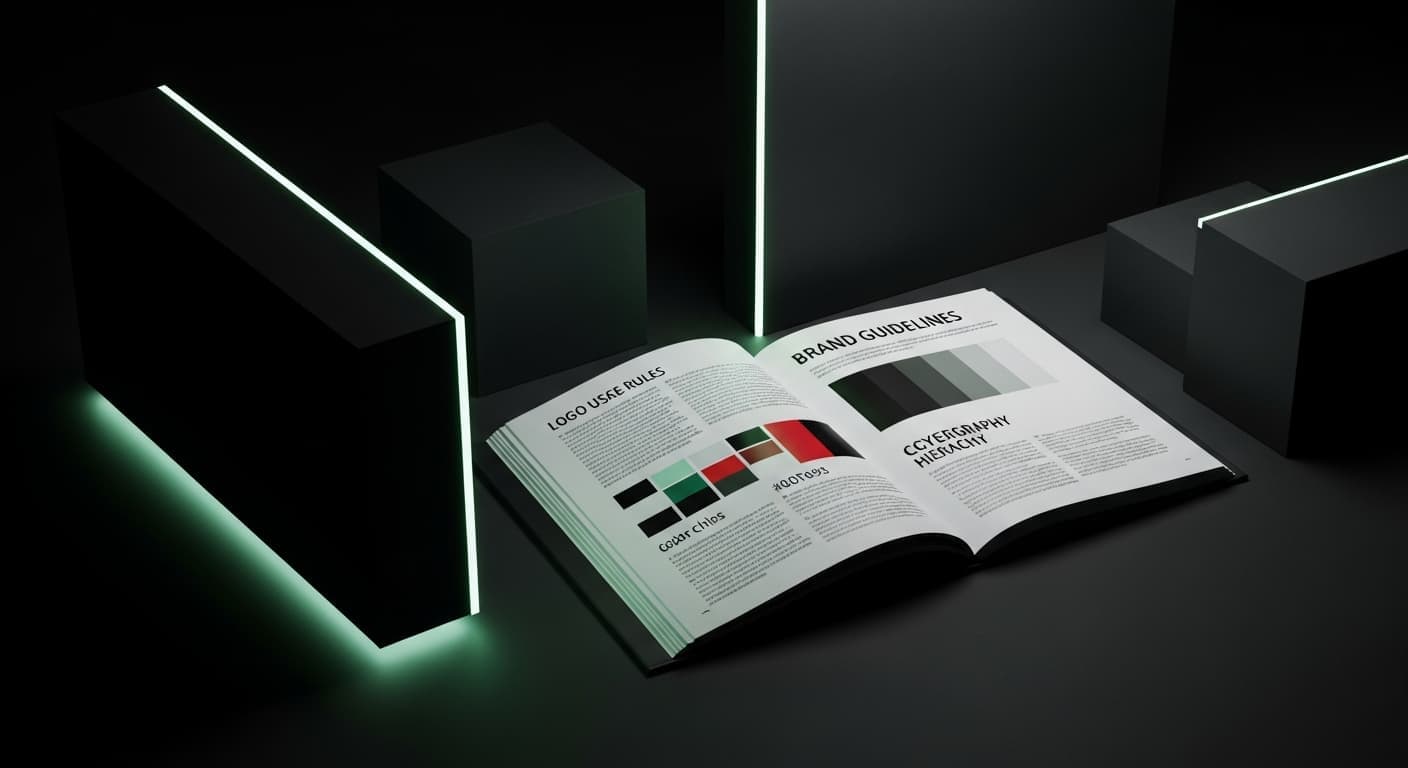
Brand guidelines are a document that defines how your event company's brand should look, sound, and feel across every touchpoint. Think of it as the rulebook that ensures your Instagram post, your proposal cover, and your truck wrap all feel like they come from the same company.
What to Include
Logo Usage
Show your primary logo, secondary marks, and icon. Define minimum sizes, clear space requirements, and what NOT to do (stretch, recolor, add effects). Include versions for dark and light backgrounds.
Color Palette
List your primary and secondary colors with hex codes, RGB values, CMYK values (for print), and Pantone numbers. Show examples of correct color combinations and prohibited combinations.
Typography
Specify your headline and body fonts, sizes for different contexts (web, print, social), and hierarchy rules. Include where to download or purchase the fonts.
Photography Guidelines
Define your photo editing style with before/after examples. Include composition guidelines, lighting preferences, and what types of images to use in different contexts.
Voice and Tone
Describe how your company communicates. Include do's and don'ts with examples: "Say 'we create unforgettable experiences' not 'we do events.'" Cover tone variations for different contexts — social media can be more casual than proposals.
Templates
Include templates for the things your team uses daily: email signatures, social media post formats, proposal covers, presentation slides, and invoice headers.
The Bottom Line
Brand guidelines don't need to be 50 pages. A focused 10-15 page document covering these essentials will keep your brand consistent and save your team hours of guessing. The key is making it easy to follow — if your team has to dig through a complex document, they'll skip it.
Keep reading
All postsarrow_forwardAI SearchApr 12, 2026
Voice Search: Getting Found When Clients Ask 'Who's the Best Event Company Near Me?'
When a corporate client asks Siri 'Find me an event planner near me' or tells Google Assistant 'Who's the best AV rental company?' — the assistant picks one answer. Voice search optimization ensures that answer is your event company.
AI SearchApr 3, 2026
How AI Overviews Are Changing How Clients Find Event Vendors
Google AI Overviews now appear at the top of search results for many event-related queries, replacing the traditional list of blue links with an AI-generated summary. For event companies, this means the way clients discover vendors is fundamentally shifting — and most event businesses aren't prepared.
SEOMar 25, 2026
How to Rank for 'Event Production Company Near Me'
'Event production company near me' is one of the highest-intent local search queries in the event industry — someone typing this is actively looking to hire. Here's exactly how to make sure your company appears at the top of both Google's local pack and AI recommendations.